Keno | How to Play, Features & Round Guide
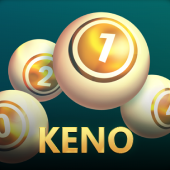
Keno is a number-draw game in which you choose a set of numbers and compare them with the numbers drawn in a round. Before joining, check the displayed rules, selection limits, prize table and stake options; these details determine how this version of Keno works.
Want a low-pressure introduction? Review the instructions first and use a Keno Demo only if a free-play option is actually offered in the game interface. A demo helps explain controls, but it cannot predict a later result.
 Keno
More cards to explore
What makes Keno easy to compare?
In brief: Keno is best understood by comparing its number-selection range, draw size, prize table and stake controls—not by assuming that a particular pick guarantees a return. Read those details on the game’s information panel before confirming a round.
Keno keeps the main decision visible: choose numbers, decide how much to stake and review the draw. The exact number pool and available selection count can differ by version, so the on-screen rules take priority. For jl66 Keno, confirm the current paytable and any minimum or maximum limits in the interface rather than relying on a general description.
The game’s category is listed as cards on JL66, while its play pattern is based on selecting numbers. That label is useful for browsing, but the actual instructions explain the mechanics. If you also enjoy a step-by-step comparison format, the Cards Hi Lo game guide offers another cards-category option.
Look for clearly presented choices, an easy-to-read draw result and a prize table that explains how matches are evaluated. If a Keno Demo is available, try the controls there first and notice how the interface presents each stage. Demo rounds are practice only and do not indicate what a later paid round will produce.
A Keno round, from selection to result
The useful sequence is simple: check the rules, choose numbers, set a stake, confirm once, then compare the draw with your selection. Taking those steps in order makes it easier to understand what you have entered before a round begins.
1. Review the information. Open the game help or paytable and note the number pool, how many picks are allowed, draw timing, match conditions and any round limits. The rules shown in this version are the source of truth.
2. Make a deliberate selection. Choose only the number of entries permitted. A quick-pick control, if present, simply automates selection; it does not make a set more likely to win. Avoid treating personal patterns, dates or previous draws as evidence of future outcomes.
3. Set and verify the stake. Check the selected amount, any multiplier, and the total cost before submitting. If the controls change the stake per selection or per draw, confirm the final total rather than estimating it.
4. Follow the draw and result. Wait for the round to finish, then compare drawn numbers with your selection and refer to the prize table. If a result is unclear, pause and consult the game’s help or the platform’s support channel before starting another round.
Browsing the platform is separate from the game outcome. JL66’s features and account guide can help you locate general site tools, while this page focuses on how to read a Keno round.
Keno mechanics: picks, draws and payouts
The outcome is determined by the game’s draw and its published match table. Your selection defines what you compare; the paytable tells you whether a particular number of matches corresponds to a listed result. Neither past draws nor a chosen pattern changes the random draw itself.
Start with the number pool: it describes the possible choices. Next, find the allowed pick count and the number of drawn entries. These two values frame the possible matches, but only the game’s prize table can explain how this version assigns prizes. Do not infer payout amounts from another Keno title.
Pay attention to stake presentation. Some interfaces show a cost per round, while others may display additional options or multipliers. Read each label and review the confirmation screen. A larger stake changes the amount at risk; it does not improve the odds of a particular draw.
When considering Keno Demo play, distinguish practice credits from cash stakes and check whether the demo uses the same displayed rules. A demo is useful for learning where to find the selection panel, confirmation step and round history. It is not a forecast, a guarantee, or a substitute for reviewing the live game terms.
Random results can include long stretches without a preferred match. A number that appeared frequently or rarely in previous rounds is not “due” to appear or disappear. Treat each round as a new event, and stop if the rules, cost or result are not clear.
Features to check before choosing Keno
A useful Keno screen explains its rules before asking you to commit a stake. Check the selection area, the draw and the match table together so you can tell exactly what a selection means in this version.
Selection clarity: The number board should make selected entries easy to distinguish and allow you to review or clear them before submitting. Confirm the selection count against the stated limit.
Readable paytable: Find the match combinations and the corresponding prize information. Check whether values are shown per unit stake, as totals, or in another format. If the basis is not clear, do not guess.
Visible round controls: Review the stake selector, confirmation action and any repeat option. Repeating a previous selection can save taps, but it should not bypass a fresh review of the amount and rules.
History and help: Where available, a round history can help you verify what happened, while the help panel explains how to interpret it. History is descriptive, not predictive.
Practice availability: A Keno Demo may be useful for learning the layout if the game provides one. Confirm whether it is free practice and do not assume a demo feature is available in every version.
JL66 groups Keno with its cards collection for browsing. To compare another title with a different theme, see Golden Genie on JL66; its page is separate from Keno’s number-draw rules.
A practical Keno strategy starts with limits
No selection strategy can control a random draw. A sound approach is to understand the paytable, decide what you are comfortable spending, and stop when your planned time or budget is reached. Number patterns may make choosing more engaging, but they do not improve the mathematical chance of a result.
Before opening a round, set a fixed session budget that you can afford to lose and a time limit. Keep the stake small enough that a short run of unfavorable outcomes will not pressure you to chase losses. Do not raise stakes to recover money or borrow to continue.
Choose entries in a way that feels straightforward to you, then avoid changing them in response to previous results. Random or personally meaningful numbers are both preferences, not an edge. The most important decision is the stake, not a supposedly “hot” combination.
If a free-practice option exists, use it to learn navigation and the paytable without mistaking practice outcomes for a reliable sample of future results. A Keno Demo cannot remove the uncertainty of real-money play.
Use available account limits and take a break when play stops feeling recreational. For jl66 responsible play, keep the session within your plan and step away if you feel urgency, frustration or a need to win back losses. JL66 VIP status is a loyalty feature, not a reason to spend beyond your own limits; check the program terms before deciding whether its benefits suit you.
For broader details about available platform options, review the JL66 VIP information separately from Keno’s rules. Promotions or account features do not change the random nature of a draw.
What players should know about Keno
Most players want three things answered before they begin: how to select numbers, where to find the prize conditions, and how much a round costs. Checking these in advance makes the experience easier to follow and helps keep decisions deliberate.
For a first visit, clarity matters more than speed. A player should be able to find the rules, see the chosen entries and verify the stake before confirming. Clear feedback after the draw also makes it easier to understand a result without relying on assumptions.
Players comparing Keno versions may notice differences in the number range, pick limits, presentation or paytable. Those variations are normal across game implementations. Read the specific version’s rules rather than assuming that settings or prize conditions carry over from another title.
Some people enjoy choosing their own numbers; others prefer a quick-pick option where available. These are interface preferences, not different probability methods. Likewise, seeing a number recur in the history does not mean it is more likely—or less likely—to appear next.
Feedback should also account for randomness. One short session cannot establish whether a game is favorable, and a memorable win or loss is not a prediction. Keep expectations measured, treat the game as entertainment, and stop at the limit you set beforehand.
If the interface is confusing or a round does not appear to match the posted rules, do not keep playing to resolve the uncertainty. Pause and use the available help or support route. Responsible play includes being comfortable with the rules and the amount at stake.
Keno essentials before you start
Keep the basics in view: read this version’s instructions, check the pick limit and prize table, verify the total stake, and set a session limit before the first round.
Keno is a chance-based number-draw game. Number choices and past results do not guarantee or forecast a draw. A Keno Demo, when available, can help you learn the controls; it cannot promise a real-money outcome.
Review each confirmation, avoid chasing losses and take breaks. If the cost, rules or result are unclear, pause rather than continuing. jl66 Keno is one option in the site’s cards collection; choose only if the experience fits your entertainment budget.
Promotions, loyalty levels and game outcomes are separate matters. Read any account terms carefully, and remember that jl66 vip benefits never make a particular Keno result more likely.